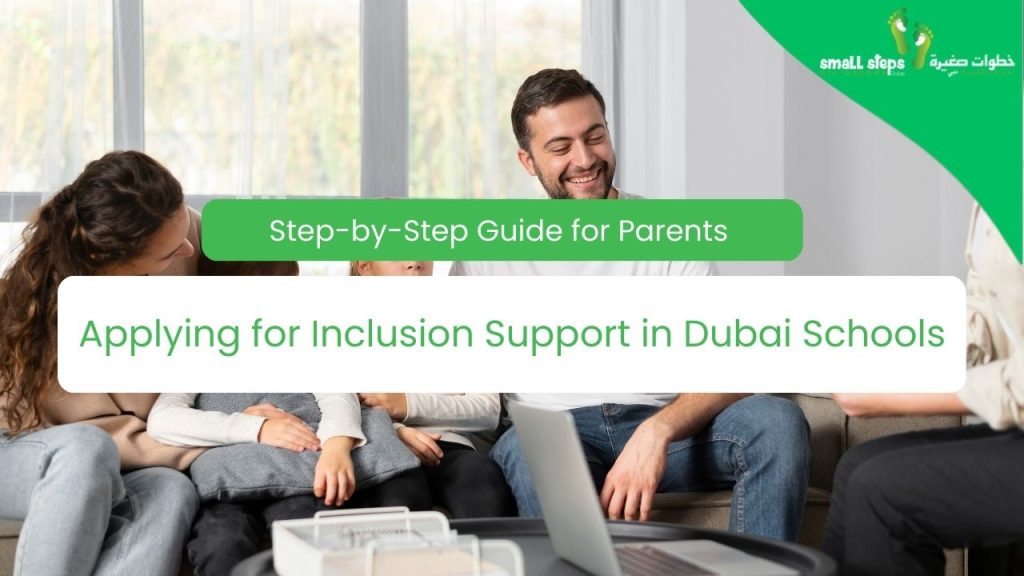
How to Apply for Inclusion Support in Dubai Schools: Step-by-Step for Parents
Navigating the process of securing inclusion support for your child in a Dubai school can feel overwhelming. From understanding KHDA requirements to coordinating with your child’s teachers, there are clear steps you can follow to ensure your child receives the accommodations and services they need to thrive.
Step 1: Identify Your Child’s Needs
Begin by observing your child’s strengths and challenges in learning and social interaction. Early signs that may indicate a need for inclusion support include:
- Difficulty following classroom instructions
- Struggles with reading, writing, or math compared to peers
- Challenges with social communication or behavior
- Sensory sensitivities that affect participation
Consult with your child’s therapist, pediatrician, or an expert child development center in Dubai. Their professional insights and reports will form the foundation for your inclusion request.
Step 2: Contact the School’s Inclusion Team or Coordinator
Most Dubai schools under KHDA guidelines have an Inclusion Coordinator or Special Education Department. Reach out via email or phone to request a meeting. Prepare to share:
- Professional evaluation reports (therapy, medical, psychological)
- Teacher observations or samples of classroom work
- Your personal notes on your child’s challenges and successes
Be clear about your goal of partnering with the school to support your child’s learning needs.
Step 3: Submitting Documentation
Dubai schools follow KHDA’s Inclusive Education Policy, which requires:
- A formal application letter or form
- Copies of all relevant reports and assessments
- Recent academic records or report cards
- Any Individualized Education Program (IEP) or 504 plans from previous schools or countries
Submit these documents by the school’s published deadline, often at the start of the academic year, but many schools accept mid-year requests when needed.
Step 4: School Assessment and IEP Meeting
After reviewing your documentation, the school will schedule an assessment meeting, typically including:
- You and your child, if appropriate
- The Inclusion Coordinator or Learning Support teacher
- Representatives from relevant departments (counselor, psychologist)
- Your child’s classroom teacher and, when needed, external therapists
Together, you’ll develop or update an Individualized Education Program (IEP) with specific goals, accommodations, and support services (e.g., in-class aide, modified assignments, assistive technology).
Step 5: Ongoing Communication
Inclusion support is not a one-time event. Effective partnerships require:
- Regular progress meetings (quarterly or as outlined in the IEP)
- Frequent email or portal updates from teachers on your child’s achievements and challenges
- Sharing observations from home and therapy sessions to inform adjustments
- Proactive requests for plan revisions if your child’s needs change
Consistent communication ensures your child’s support plan evolves with their growth.
Take the Next Step
Securing inclusion support is a collaborative journey. If you’d like personalized guidance contact Small Steps Big Dreams today to schedule your parent support session and access exclusive inclusion resources.
Frequently Asked Questions
Is support guaranteed for every child?
Not automatically. Schools assess each application against KHDA policy. Strong professional reports and clear evidence of need improve approval chances.
Can I request changes to my child’s plan?
Yes. IEPs are living documents; you can request reviews and modifications anytime, especially if goals aren’t being met..
What if the school denies my application?
First, seek clarification on the decision. You can appeal to the school’s leadership or escalate to KHDA’s Inclusive Education section for mediation.
How long does the process take?
The initial review and IEP meeting usually occur within 4–6 weeks of submission. Ongoing support timelines depend on the agreed review schedule.